
Why Children Enter Residential Care
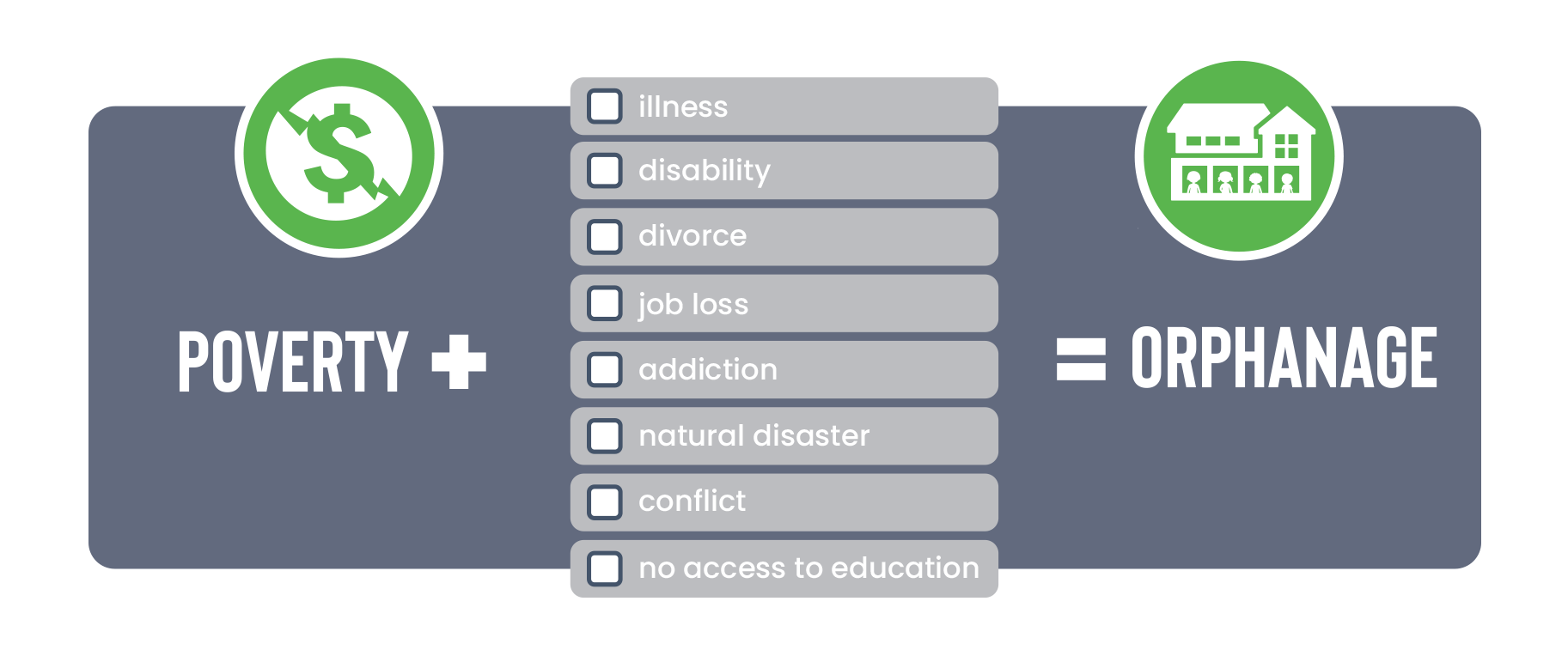
Many children enter residential care not because they lack family, but because their families are facing significant challenges—such as poverty, illness, or other difficult circumstances. This often places growing demand on care providers, who are supporting more children than their resources were designed for.
As a result, many organizations navigate limited staffing, stretched resources, and increasing financial pressure. Much of their focus is directed toward fundraising and meeting immediate needs rather than sustainable long-term best care practices for each child.
We recognize these realities and the dedication it takes to care for children each day. Our goal is to come alongside providers with support, resources, and partnership—strengthening care today while working toward long-term solutions that benefit both children and families.
How We Support
Over time, many care providers have had to navigate complex systems and ongoing pressures, making it difficult to step outside daily demands and explore new approaches.
We believe there are meaningful ways to strengthen and support the work already being done. Our goal is work with care providers and help create space for growth, sustainability, and long-term impact.
We offer practical support such as training, organizational support, practical resources, strategic planning, and council.
Through this partnership, our hope is that you are better equipped to provide the level of care you’ve always desired for the children you serve.
Looking Ahead
Residential care often plays an important role in supporting children during difficult circumstances. At the same time, many organizations, communities, and child welfare professionals are exploring ways to strengthen family connections and expand family-based care options whenever it is safe and appropriate.
Understanding both approaches helps us better support children, families, and caregivers.
Learn more about family-based care and why it has become an important part of child welfare conversations around the world.
With gratitude: Some graphics featured on this page are adapted or shared with permission from Faith to Action Initiative, whose work has contributed meaningfully to conversations around children and family care.