
Our Story
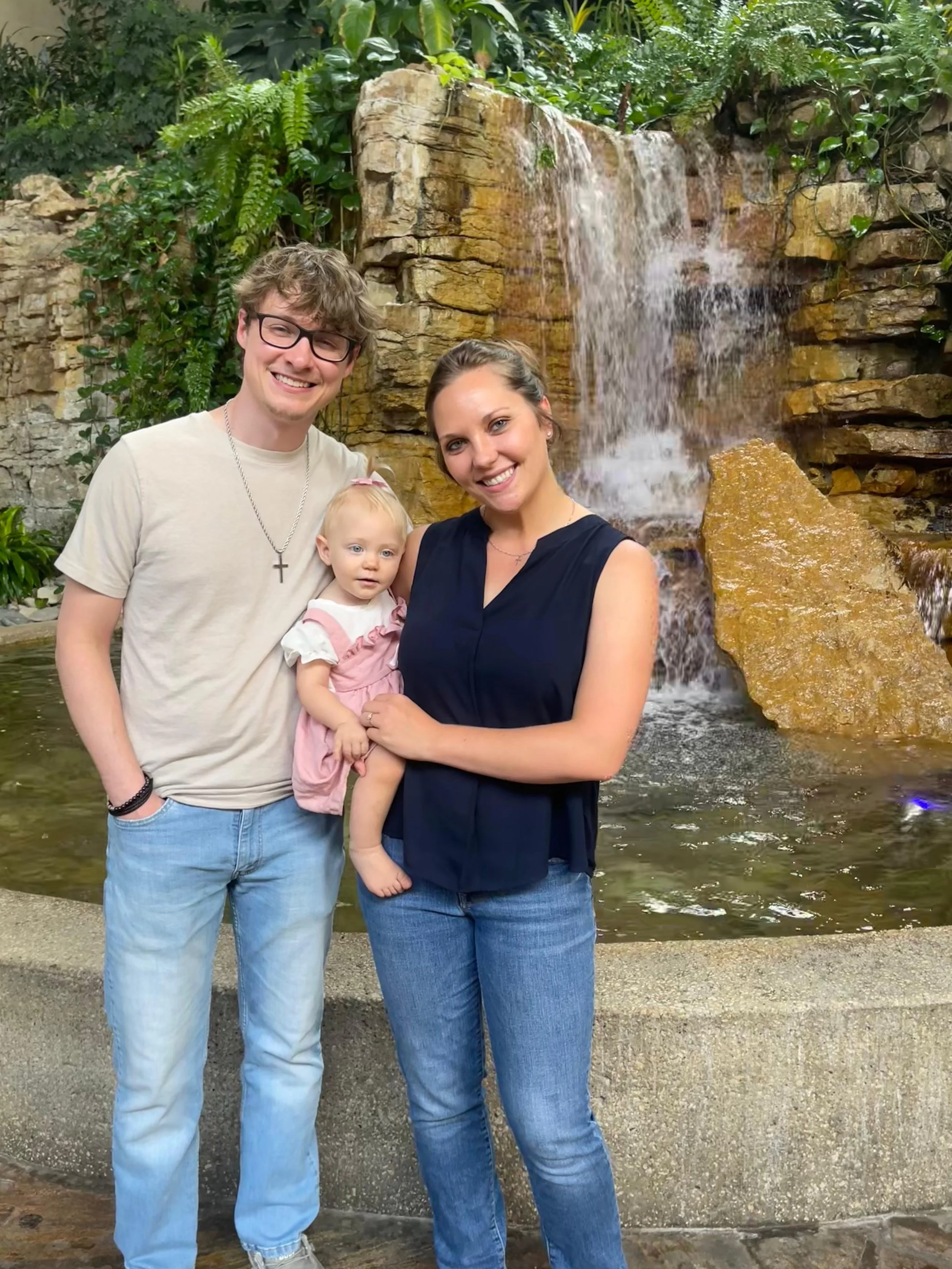
Since early childhood, John and Amanda Laughrey (Hedges) each developed a close relationship with Father God and received a call to serve Him in a foreign land. Amanda, in particular, always knew she was called to serve orphans and vulnerable children. For years, she assumed this meant she was supposed to start an orphanage of her own.
Her journey officially began shortly after she turned 17, as she was preparing to graduate high school and begin university. Rather than signing the admission papers for the university she had chosen, however, a powerful encounter with God led her to book a flight to Indonesia to fulfill her calling instead.
Though a bustling, polluted city was far from what she had envisioned, God led Amanda to serve as a volunteer at an orphanage in Jakarta for almost four years. As she grew fluent in the language and gained a deeper understanding of her surroundings, she was heartbroken to discover nearly all of the dozens of children she was caring for still had families who wanted them. They had been separated from their families because of poverty and difficult circumstances—not because they were orphaned by death or abandonment. She later discovered that this was not an isolated situation, but a widespread reality: approximately 90% of children living in orphanages in Indonesia have at least one living parent.
Eventually, Amanda decided it was time to leave that orphanage and pursue her lifelong vision of having a children’s home of her own and becoming “Mother Teresa of Indonesia”. She teamed up with a group of trusted, passionate Indonesians to establish a children’s home where they made a commitment to be a last resort for children—only welcoming those for whom there was no safe or viable family-based alternative. Their goal was to raise the children as much like a normal family as possible, giving them the opportunity to grow up in a loving home rather than an institution.
Amanda served as a house parent in that children’s home for seven years, later joined by John. Over time, however, God brought John and Amanda to America for a season of humbling and reflection. There, they began to recognize that even within the home-like model of care they had worked so hard to create, the children were still experiencing the detrimental effects of growing up in an institution. They realized they were, in a sense, “playing house”—trying to be “Mommy” and “Daddy” to Indonesian children who should have the opportunity to grow up in real Indonesian families. And even if they were Indonesian, they would still have to grapple with the same truth: no matter how loving or well-run an institution may be, God made children to thrive in a real home with a real family, where they can receive individual attention, affection and develop a deep sense of belonging, stability, security, and identity. “God sets the lonely in families…” (Psalm 68:6)
After this realization and much prayer, reflection, and agonizing, God led John and Amanda to make the hardest and most painful decision of their lives: to resign from the children’s home and lay down their personal dream of raising Indonesian children themselves in order to dedicate their lives instead to what matters most—what is in the best interest of each individual child. Today, they serve as full-time advocates, collaborating with global leaders such as Strengthening Families and Children (SFAC), Faith to Action, Family First Framework (FFF), and others to support and train care providers, strengthen families and child welfare systems, and develop pathways toward family reintegration, foster care, adoption, and other family-based care options.
Our Vision

A future in which every Indonesian child has the opportunity to grow up in a safe, loving family where they have a sense of belonging and can thrive.
Our mission
We unite and equip Indonesian leaders to fortify families and strengthen child welfare systems so every child can thrive.
What We Don’t Do
To keep our mission focused, we do not operate our own care programs, place children, provide direct child welfare services, or give financial support.
We also do not take credit for successful implementation of our resources or services.
What We Do
Advocate for better practice
Provide mentorship and council
Connect individuals, communities, and organizations in order to promote cooperation and create a strong network of care
Provide training through ourselves and partners
Share knowledge, experience, research, and practical tools
What Makes Our Approach Different
We believe the most effective solutions and sustainable change is built through relationships, collaboration, and empowering those who know their communities best.
Because of this, we do not seek to replace Indonesian leadership or dictate how communities and organizations should operate.
Our role is to listen, learn, encourage, support, and provide council.